A day at the beach along Vero’s shoreline usually means hours in and out of the water, whether you’re swimming, paddleboarding, or just cooling off between errands.

Most people don’t think twice about their ears until an itch turns into pain a day or two later. If this keeps happening summer after summer, it’s not just bad luck.

Chronic swimmer’s ear tends to hit people who spend a lot of time in the water without giving their ears a real chance to dry out. Repeated moisture wears down the skin’s natural defenses, making infections more likely each time you’re back in the water.

Living somewhere with a beach this close means more exposure than most places see in a year. Understanding what’s actually causing the pattern can help you break it before another summer goes by the same way.

What Causes Swimmer’s Ear?

Swimmer’s ear affects the outer ear canal, the passage that carries sound from the ear opening toward the eardrum. It often develops after swimming, showering or other water exposure. Moisture that stays behind can soften the skin inside the canal and reduce its natural protection.

Bacteria are responsible for most cases, although fungi sometimes cause infections too. Warm, damp conditions give these organisms a better environment to grow. People who regularly spend time in the water are more likely to deal with the problem again.

Earwax also plays an important role in protecting the ear canal. Removing too much wax or irritating the skin with cotton swabs can make that protective barrier less effective. That leaves the canal more vulnerable when moisture gets trapped inside.

Early Signs of Swimmer’s Ear

Swimmer’s ear often starts with mild irritation before the symptoms become more uncomfortable. An ear might feel itchy, tender or slightly blocked at first. Symptoms usually become more noticeable as inflammation develops.

Paying attention to those changes is especially important after frequent swimming or repeated water exposure. Some of the most common early signs include:

  • Itching inside the ear canal
  • Redness or swelling near the ear opening
  • Pain when the outer ear is touched or pulled
  • Clear, cloudy or yellow drainage

How Swimmer’s Ear Differs From a Middle Ear Infection

Not every earache after swimming is swimmer’s ear. The location of the infection matters because swimmer’s ear affects the outer ear canal. A middle ear infection develops behind the eardrum and has different causes.

Swimmer’s ear often causes tenderness when the outer ear is touched or gently pulled. A middle ear infection is more likely to create deeper pressure, aching or a plugged sensation. Fever and cold symptoms are also more commonly associated with middle ear infections.

Who Is More Likely to Get Chronic Swimmer’s Ear

Some people are more prone to recurring swimmer’s ear because moisture stays in the ear canal longer. Frequent swimmers are one obvious group, but water exposure is not the only factor.

Hearing aids, earbuds and certain types of swim gear can cover or seal the ear opening for long periods. That can reduce airflow and make it harder for trapped moisture to evaporate. People who wear these items daily may need to pay closer attention to lingering dampness or irritation.

Vero Beach’s subtropical coastal climate adds another challenge. Intense summer humidity and warm sea breezes can slow the drying process after swimming, sweating or other water exposure. For people already prone to swimmer’s ear, that extra moisture can make recurring irritation more difficult to avoid.

How Repeated Ear Infections Can Affect the Ear

An occasional case of swimmer’s ear is uncomfortable enough. When infections keep coming back, the ear canal may not get enough time to fully recover between flare-ups. Ongoing irritation can leave the skin more sensitive and prone to future problems.

Repeated infections can also lead to changes inside the ear canal. These may include:

  • Thickened or irritated skin inside the canal
  • Narrowing that makes it easier for water to become trapped
  • Ongoing itching or tenderness
  • Temporary hearing changes caused by swelling or drainage

How to Keep Water Out of Your Ears While Swimming

For people who are prone to swimmer’s ear, limiting how much water enters the ear canal can make a difference. Swim plugs are one option, especially for people who spend a lot of time in the pool or ocean.

Custom swim plugs are designed to fit the shape of the ear more closely. Soft silicone or moldable plugs may also work well when they fit comfortably and stay in place. A swim cap that covers the ears can provide another layer of protection during longer periods in the water.

It also helps to avoid inserting anything into the ear canal after swimming. Cotton swabs may seem useful for soaking up water, but they can scratch the skin or push moisture farther inside.

Safe Ways to Dry Your Ears After Swimming

A gentle routine after swimming can help your ears dry without irritating the ear canal. Give any trapped water a little time to drain on its own instead of trying to remove it right away. Reaching inside the ear often ends up causing more irritation than the moisture itself.

A few safe steps can make post-swim drying easier:

  • Pat the outside of the ear with a clean towel
  • Tilt your head to each side and allow water to drain
  • Gently pull on the earlobe while your head is tilted
  • Ask a qualified ENT doctor whether drying drops are appropriate for you

Why Putting Objects in Your Ear Canal Can Cause Damage

When water feels trapped after swimming, it can be tempting to reach for a cotton swab or another small object. The problem is that inserting anything into the canal can irritate the skin instead of helping it dry.

Cotton swabs often push wax and moisture farther into the ear rather than removing them. Hairpins, keys and fingernails can be even more irritating. The skin lining the ear canal is thin, so even a small scrape can leave it sore and inflamed.

Those tiny injuries also make it easier for bacteria or fungi to cause an infection. Swelling from irritation can narrow the canal and make drainage more difficult. Letting water drain naturally is much gentler on the ear than trying to reach inside.

Managing Ear Discomfort and Knowing When to Stay Out of the Water

An ear that feels sore, itchy or unusually full after swimming deserves some attention. Continuing to swim while the canal is already irritated introduces more moisture and gives the skin less time to recover.

It is usually best to stay out of the water while pain, drainage or noticeable irritation is present. Keep the ear as dry as possible during showers and wash only the outside gently. Avoid inserting anything into the canal in an effort to relieve the discomfort.

Drying drops are helpful for some people, but they are not appropriate for every ear. Avoid using them if you have ear tubes, a perforated eardrum or another condition unless your ENT doctor recommends them. Persistent pain, swelling or drainage can signal an infection that needs treatment.

How an ENT Doctor Treats Recurring Ear Canal Infections

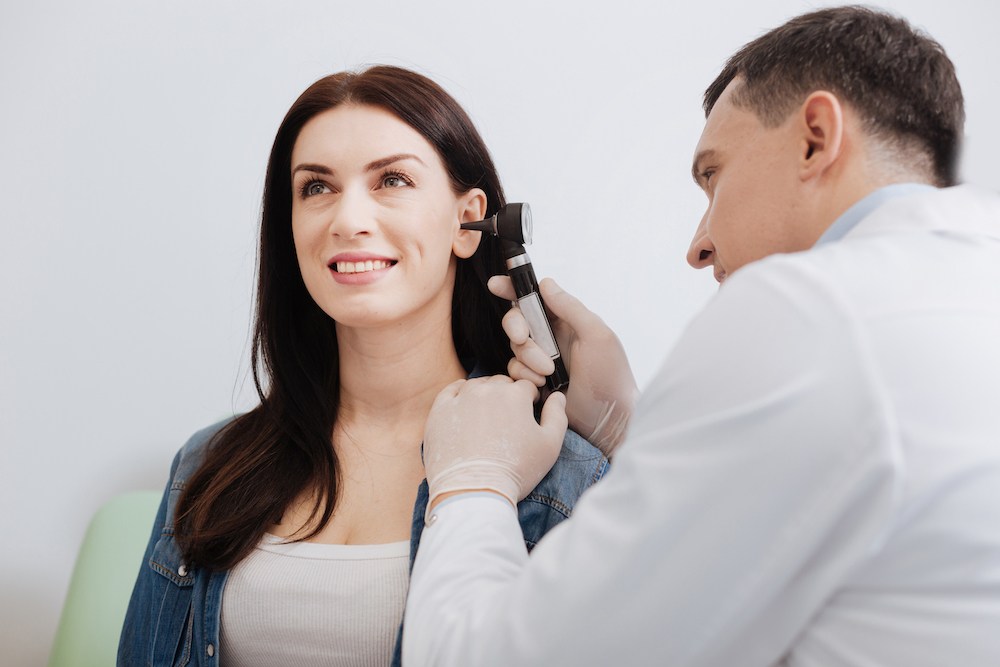
When swimmer’s ear keeps returning, home drying habits may not be enough to address what is causing the problem. An ENT doctor can examine the ear canal closely and look for swelling, debris, skin irritation or other contributing factors.

Professional swimmer’s ear treatment will depend on what your ENT doctor sees during the exam. Sometimes the ear canal needs to be cleaned first so medication can reach the irritated area. Prescription ear drops may also be recommended when bacteria or fungi are causing the infection.

Recurring infections sometimes have an underlying reason, such as eczema, frequent moisture exposure or the shape of the ear canal. Identifying that factor helps guide prevention between flare-ups. For frequent swimmers, an ENT doctor may also discuss protective options that fit the person’s ears and activities.

Break the Pattern Before Next Summer

Chronic swimmer’s ear doesn’t have to be part of your yearly routine, even living somewhere this close to the water. Repeated infections usually come down to something specific, whether it’s a drying habit, ear anatomy, or an underlying issue that needs real treatment. Vero ENT Associates can help you figure out what’s actually keeping the cycle going.

You don’t have to just accept it as part of living near the beach. Call (772) 408-9556 if this keeps happening every summer, and let’s get ahead of it before the water heats back up again.